Manager Training for Manufacturing: From Floor Expert to Team Leader
The factory runs on managers who can lead, not just produce.
Manufacturing leaders need a management system they can use right away. Thrive combines live-facilitated training, AI coaching, and high completion rates for busy small-company teams.
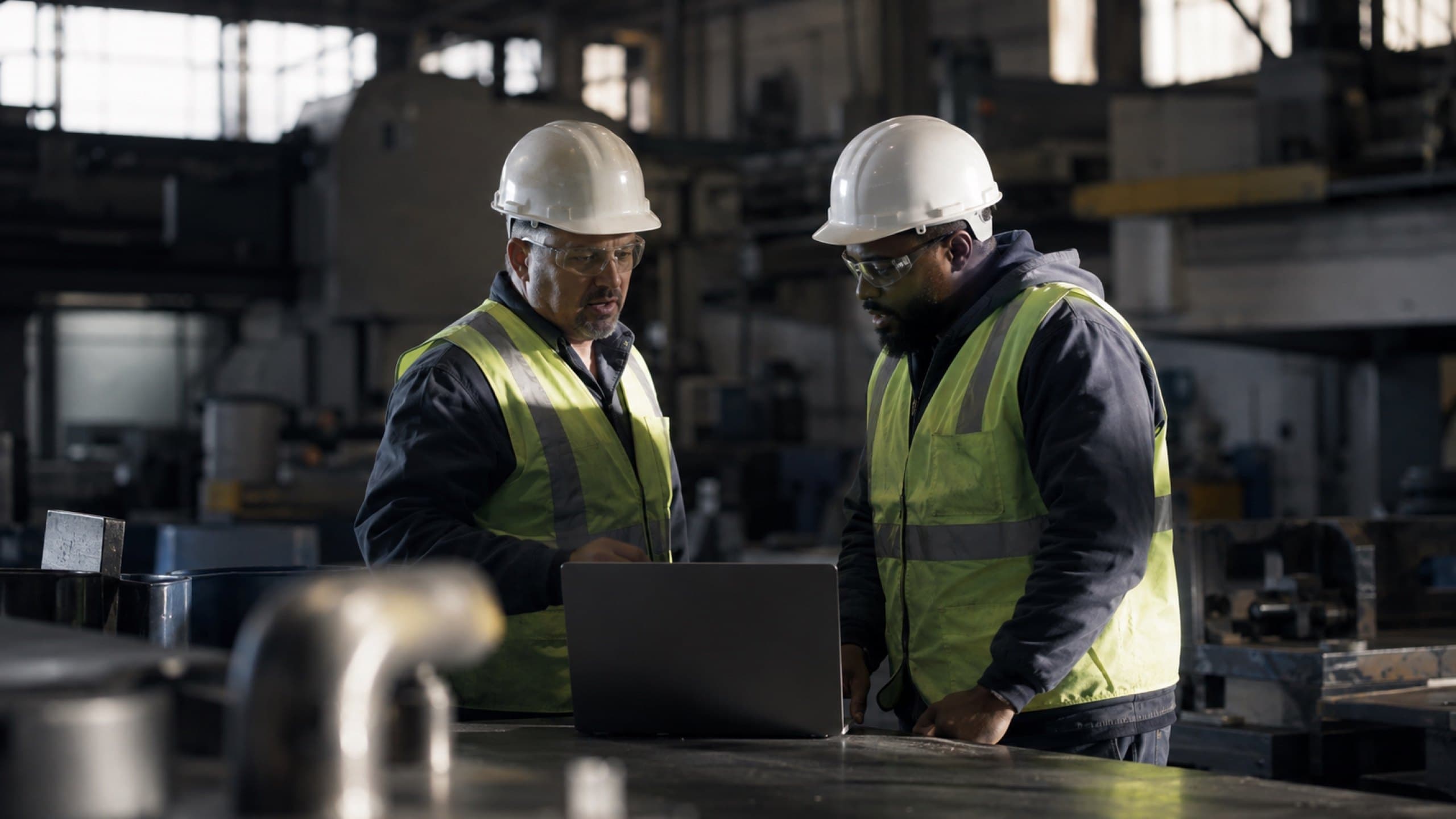
The problem
The Manufacturing Leadership Problem
In manufacturing, the people promoted into leadership are usually the ones who know the line best. They can troubleshoot a machine, hit production targets, and keep a shift moving under pressure. Then they become supervisors or managers and the job changes from doing the work to leading the people doing the work.
Without training, the new leader often keeps solving every problem personally. That slows decisions, creates bottlenecks, and leaves coaching, documentation, and accountability inconsistent across shifts. The result can be more scrap, more rework, more turnover, and more tension between production goals and people management.
Traditional training rarely fits plant reality. Full-day offsites pull leaders away from the floor. Video libraries compete with rotating shifts and get ignored. Manufacturing companies need manager training that respects shift schedules, frontline pressure, and the need for consistent standards on every line.
What works
How Thrive Solves This
Turn top operators into leaders people follow
Thrive helps high-performing floor experts build the management habits they were never taught: coaching, delegation, expectation setting, and difficult conversations. The training uses examples that sound like real plant problems, not generic office scenarios.
Fit training around shifts and production schedules
Live two-hour sessions are easier to schedule around production than long classroom days. Managers can learn without blowing up coverage, and the cohort format creates accountability that video-only platforms usually miss.
Reinforce standard work for people leadership
Coach Taylor helps leaders think through quality issues, attendance conversations, handoff problems, and performance coaching between sessions. That gives manufacturing teams a repeatable management standard, not a one-time event.
Live workshops that cover this
Two hours, twenty-five seats, someone who has done it.
Why companies choose this
- Live, facilitated workshops that managers actually finish, unlike video libraries that go unwatched
- Two-hour live sessions fit around shift schedules and plant coverage needs
- Running in under an hour with no LMS build or internal L&D team required
Who teaches
Held the job. Not studied it.
Content is the easy part to buy. A dozen vendors will sell you a library this afternoon. What none of them sells is the person who has already done the job, live, for two hours, watching your people practice it.
Every Thrive session is led by someone who has done the work they are teaching: run a shift, carried a quota, managed a team through a change, sat across from the person who needed the hard conversation. They bring the real version of the problem into the room, and the practice is done on your people’s actual work, not on a case study.
Sessions are small enough that a facilitator can watch each person practice and coach the delivery. Between sessions, Coach Taylor keeps the thread going.
- Session size
- 25 max
- Length
- 2 hours
- Format
- Live
- Where
- Teams
Talk to ARIA
Ask what you would ask us.
ARIA works the way a good first call works. She asks who is involved and what should change, recommends the closest starting point, quotes the real price, and hands you to a person when you want one.
Start with one of these
Prefer a person? Say so in the conversation and the team follows up, or use the contact page.
Questions
Questions people ask before they call.
What is the best manager training for manufacturing companies?
The best manager training for manufacturing companies teaches frontline leaders how to coach, hold standards, solve people issues early, and lead across shifts. It also has to fit production schedules. Thrive combines live workshops with AI coaching so plant leaders can apply the training on the floor.
Why do manufacturing supervisors struggle after promotion?
Many are promoted for technical skill, reliability, or output, not because they were trained to lead people. Once promoted, they have to manage attendance, quality, conflict, and performance without a clear playbook. That gap shows up in turnover and inconsistency fast.
How do you train new managers in manufacturing without stopping production?
Short live sessions work better than full-day events in most plants. Thrive uses two-hour workshops and practical reinforcement so leaders can learn without major disruption to shift coverage or throughput.
Should manufacturing manager training include standard work and root cause thinking?
Yes. Manufacturing leaders need people leadership skills and operating discipline. Training should help them coach to standards, document expectations, and solve recurring team issues instead of reacting to the same problems every week.
Can supervisor training reduce turnover in manufacturing?
It can help because many exits trace back to weak frontline leadership, unclear expectations, or poor feedback. Better-trained supervisors usually improve clarity, consistency, and trust, which supports retention.
What is not built
Scheduled reminders are not built. Coach Taylor answers when a person asks, and nothing chases them yet. Reminders are on the roadmap.