First-time and frontline leaders
You promoted your best people. Now they are on their own.
Fundamentals of Leading People is four weeks of live practice on the job they actually have now: the feedback they are avoiding, the objectives nobody set, the team that is waiting to see what they do. Led by facilitators who have held the role.

Photograph, not a Thrive session. Sessions run live on Microsoft Teams.
The moment this is for
They know the work. Not yet the job.
The operator who became a supervisor
Best on the line for six years. Promoted in March. Avoiding one conversation since.
There is one person on the shift who needs a direct conversation and nobody has shown the new supervisor how to have it. Every week it does not happen, the rest of the crew notices.

Photograph, not a Thrive session. Sessions run live on Microsoft Teams.
The engineer who became a manager
Still doing the work themselves, because delegating feels slower and riskier.
The team is waiting, the backlog is growing, and the manager is working sixty hours to protect a standard nobody else has been taught to hit.

Photograph, not a Thrive session. Sessions run live on Microsoft Teams.
The manager who inherited a team
A reorg handed them eight people, two of whom wanted the job.
The first ninety days decide whether the team follows them or waits them out. Objectives, a visible win, and the overdue conversation, in that order.
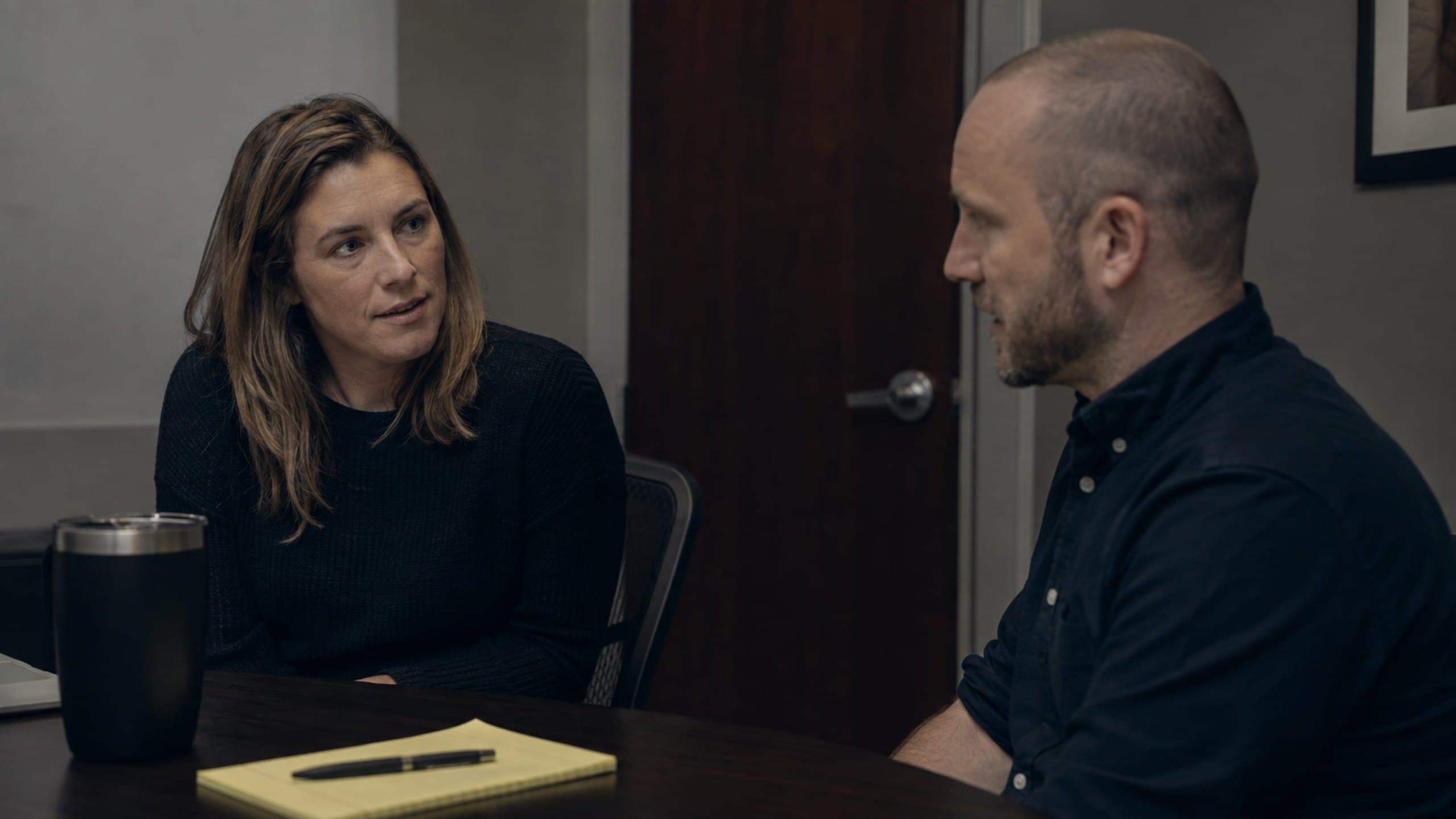
Photograph, not a Thrive session. Sessions run live on Microsoft Teams.
Why this is hard
The supervisor was promoted last quarter. The cost of training them did not shrink because the company is small.
Preparing someone to lead takes the same work at a company of two hundred as at ten thousand: material designed for the job, a live session with someone who has held it, practice on the real team, coaching when the first hard conversation shows up, and somebody checking that it stuck. Enterprises have a department for that. You have a good person who is now on their own.
Fundamentals of Leading People carries the whole list for that person, in four weeks, in a cohort with supervisors from other companies, led by a facilitator who has done the job. You pick who goes and review what they bring back.
Fundamentals of Leading People
Four weeks. Each one ends with something done, not something watched.
Every week has the same shape: short self-paced courses to set the language, a live session with a facilitator on the week’s topic, applied work on the participant’s own job that their employer reviews, a 1-on-1, and a live debrief with the cohort.
Cohorts mix companies on purpose. A supervisor from a plant and a manager from an agency practicing the same conversation learn more from each other than either would alone.
- Weeks
- 4
- Per seat
- $1,000
- Cohort
- 25max
- Week 1
Awareness of self and others
How you come across under pressure, how your people take direction, and what to do about the gap. A strengths assessment and a first 1-on-1 with your facilitator.
- Week 2
Leading individuals
Setting objectives people can actually hit, giving feedback that changes behavior, and the tough conversation you have been putting off, practiced live with a facilitator watching.
- Week 3
Leading teams
Building engagement without a budget, running meetings people do not dread, and handling the conflict that is already there.
- Week 4
Leadership skill building
Negotiation, prioritization, and the applied project: a real problem from your job, worked through with your cohort and reviewed by your own company.
Being early
The client list is short. That is worth something to you.
Thrive is new. The programs are not. John Ball Zoo has put 100+ first-time leaders through Fundamentals of Leading People. What is new is the function built around them, and while the list of companies on it is short, being on it buys four things it will not buy later.
None of them is a promise about your results. Nobody can promise you a better manager in four weeks. These are the things we control, which is why we will put them in writing.
- 01
The price is published, not quoted.
Every band is on the pricing page and the same three numbers are what checkout charges. Nobody is quoted a different figure for arriving early or late, and there is no discount to negotiate for, because there is no list price to discount from.
- 02
You set the build order.
Name a course or a live topic we do not have. The library is one hundred thirty-five courses today and the next ones are chosen from what clients ask for, in the order they ask. What gets built for you goes into the library for every company that comes after.
- 03
The founder is in the room.
Scoping, your first cohort, and the call on what gets built next happen with the person who designed the programs. That holds while the client list is short, which is the whole reason to be on it early.
- 04
What is missing is written down.
Scheduled reminders are not built. Coach Taylor answers when a person asks, and nothing chases them yet. Reminders are on the roadmap. A company that tells you what is missing before you pay is worth believing about the rest.
- What a month and a year actually bill, and what happens if you stop, is written out on the terms page in the same plain language as this.
Who teaches
Held the job. Not studied it.
Content is the easy part to buy. A dozen vendors will sell you a library this afternoon. What none of them sells is the person who has already done the job, live, for two hours, watching your people practice it.
Every Thrive session is led by someone who has done the work they are teaching: run a shift, carried a quota, managed a team through a change, sat across from the person who needed the hard conversation. They bring the real version of the problem into the room, and the practice is done on your people’s actual work, not on a case study.
Sessions are small enough that a facilitator can watch each person practice and coach the delivery. Between sessions, Coach Taylor keeps the thread going.
- Session size
- 25 max
- Length
- 2 hours
- Format
- Live
- Where
- Teams
What it looked like for one company
Three people from the floor became supervisors. Nobody had to be hired from outside.
A fifty-person manufacturer was about to recruit supervisors from outside, at the price of three recruiting fees and the months it takes a stranger to learn the plant. Instead, three experienced operators went through a leadership program built around their actual shifts: feedback conversations they were avoiding, handoffs that kept breaking, a schedule dispute that had gone on for months.
All three are still supervising, and the recruiting never happened. We are not going to put a percentage on what that was worth, because we cannot show you how it was measured. The company is not named here.
Organizations whose people have learned with Thrive






More than a hundred first-time leaders at John Ball Zoo have been through Fundamentals of Leading People, alongside teams at manufacturers, schools, food producers, and a regional health plan.
Coming up
Real dates. Real seats.
Program cohorts
- October 26, 2026Fundamentals of Leading People4 weeks. Live virtual sessions, applied work, 1-on-1 coaching. $1,000 per seat. 25 seats.
- October 26, 2026Selling Essentials3 weeks. Live virtual sessions, applied work on real accounts, 1-on-1 coaching. $1,000 per seat. 25 seats.
- October 26, 2026New Professionals4 weeks. Live kickoffs and debriefs, applied work, optional 1-on-1 coaching. Seat price quoted with the dates. 25 seats.
Cohort programs are priced separately, per participant, on top of the flat organization price. Start the platform or .
Talk to ARIA
Ask what you would ask us.
ARIA works the way a good first call works. She asks who is involved and what should change, recommends the closest starting point, quotes the real price, and hands you to a person when you want one.
Start with one of these
Prefer a person? Say so in the conversation and the team follows up, or use the contact page.
Questions
Questions people ask before they call.
What is the best training for first-time supervisors promoted from the floor?
Live practice on the conversations they are now responsible for, led by someone who has held the role, on situations from their own shift. Fundamentals of Leading People is a four-week program built that way: a weekly live session, applied work on the supervisor's real job, 1-on-1 coaching, and a cohort of peers. It costs $1,000 per seat.
How do you train new managers without pulling them off the floor for days?
Sessions are live and virtual, about two hours a week for four weeks. The applied work happens inside the job, not instead of it, so the training shows up as better handoffs and cleaner conversations during the week rather than time away.
What should a new manager do in their first 90 days?
Learn how their own style lands on the team, set two or three objectives each person can hit, have the overdue direct conversation early, and get one visible win the team can point to. The program is sequenced in that order and Coach Taylor keeps the plan in front of them after it ends.
Is this leadership training suitable for manufacturing supervisors?
Yes. The facilitators have run shifts and plants, the examples come from production environments, and the most common participant is a supervisor promoted from operator within the last year. Companies like Stiles Machinery and a fifty-person manufacturer that promoted three operators have used it.
What does it cost and how many seats do we need?
Fundamentals of Leading People is $1,000 per seat for the public cohort. Companies send anywhere from one new leader to a full cohort; public cohorts mix companies so each person has peers in the room. The Thrive platform, which includes ongoing workshops and Coach Taylor for every employee, is a flat monthly price per organization starting at $399.
What happens after the four weeks?
Each participant leaves with a leadership development plan, a cohort of peers, and Coach Taylor, who knows what they practiced and follows up. Live workshops on the same topics run as scheduled on the platform, so the habit has somewhere to go.
Also for leaders
Live workshops on difficult conversations, coaching, change, and negotiation are included in the platform for every manager you have, not just the new ones.