EH&S, 15 minutes, self-paced
OSHA and Workers' Rights
Explains what the Occupational Safety and Health Act of 1970 requires, the rights it gives you as a worker, and what your employer must do in return. Also covers how OSHA inspections happen and how to report a hazard.
Free
Part of the compliance library: free for every employee at any company size.
With completion tracking and no card required.
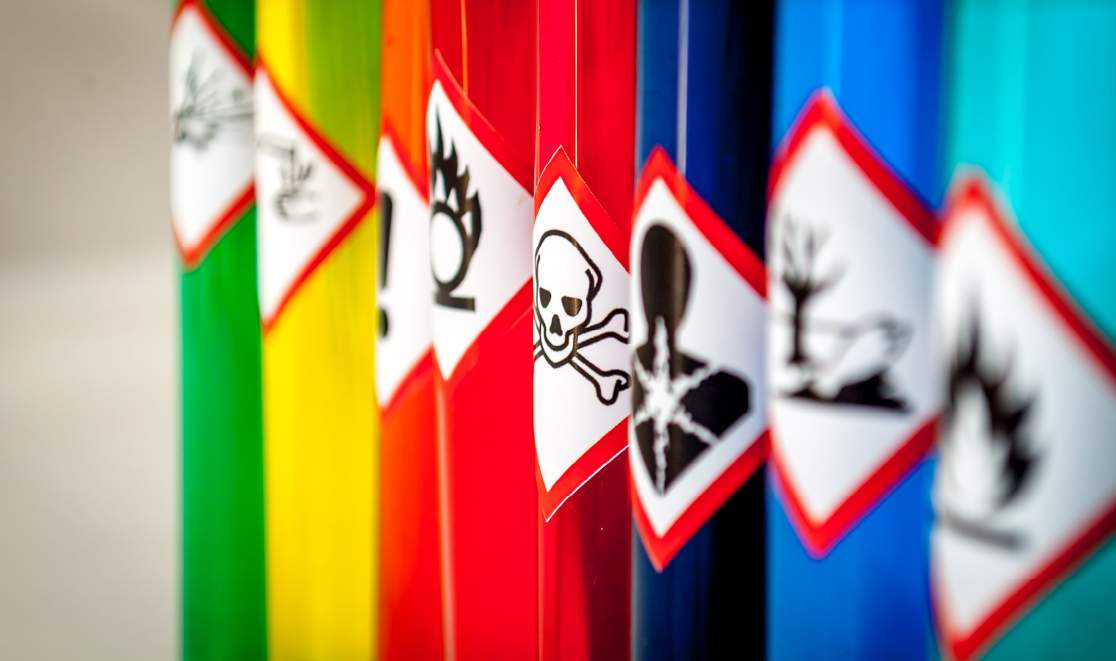
What you will learn
- State the purpose of the OSH Act and the role OSHA plays in enforcing safety standards
- Identify workers' rights under OSHA, including information, training, access to medical records, and filing a complaint
- Describe whistleblower protection and the first step to take when reporting a safety hazard
- Describe employer responsibilities and employee expectations under OSHA, and the difference between programmed and unprogrammed inspections
Also in EH&S
Related courses.

20 minutes
Personal Protective Equipment (PPE)
Covers what personal protective equipment is, how an employer's hazard assessment decides what you need, and the main types by body part, including eye and face, head, hearing, hand and foot protection. Also covers the limits of each type, minimum training requirements, and which items an employer is not required to pay for.
30 minutes
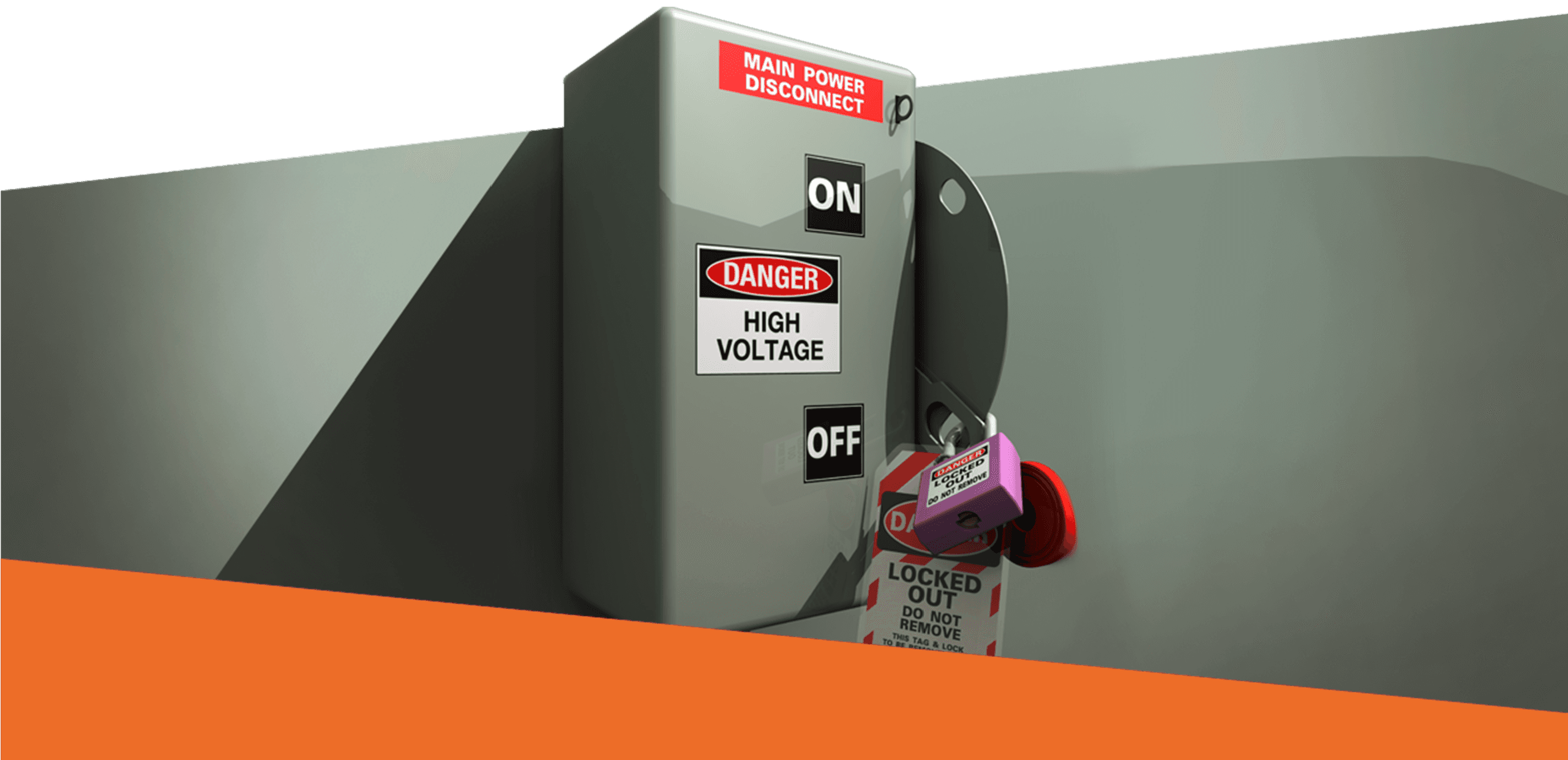
Lockout Tagout (LOTO) Authorized
Prerequisite: complete Lockout Tagout for Affected Employees first; this course builds on it and refers back to it throughout. Explains what an authorized employee does under a lockout tagout program: how authorized personnel differ from affected personnel, the basic steps for isolating hazardous energy, the locks, tags and isolating devices involved, and how group lockouts and shift changes are handled. It gives you an understanding of the role rather than qualifying you for it, since authorization still requires training on your own employer's energy control program and an annual periodic inspection.
15 minutes
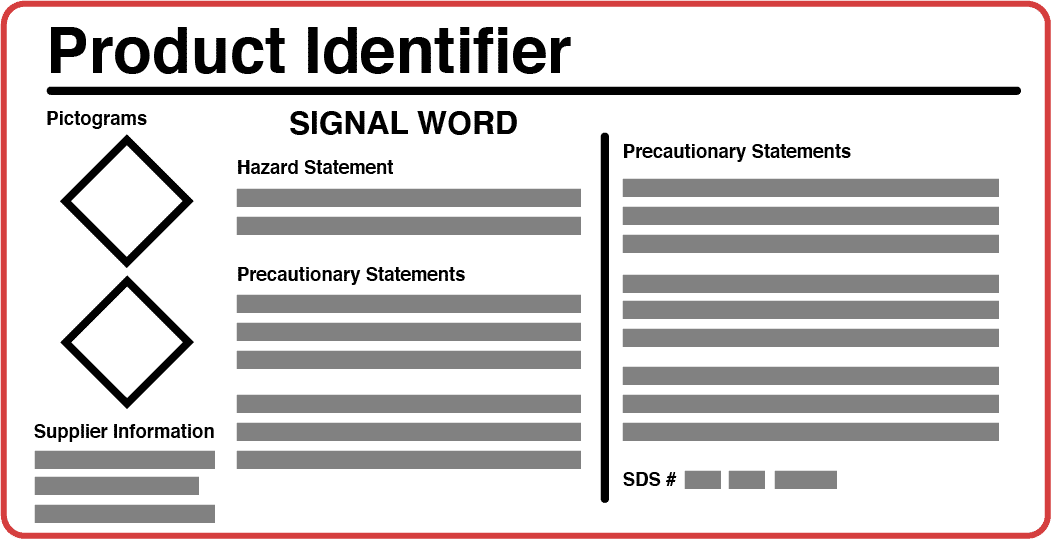
Covers the five substances the CDC associates with the most chemical injuries, what exposure to each does, and how to read the hazard information available to you: the four sections of the NFPA diamond and the sixteen standard sections of a safety data sheet. It then covers what an OSHA-required spill response plan must contain, the difference between an incidental spill and one you should not touch, and the PPE and spill kit materials used for containment.
Related pages
Talk to ARIA
Ask what you would ask us.
ARIA works the way a good first call works. She asks who is involved and what should change, recommends the closest starting point, quotes the real price, and hands you to a person when you want one.
Start with one of these
Prefer a person? Say so in the conversation and the team follows up, or use the contact page.