EH&S, 15 minutes, self-paced
Eye and Face Protection
Proper use of eye and face protection equipment
Part of the compliance library: free for every employee at any company size.
What you will learn
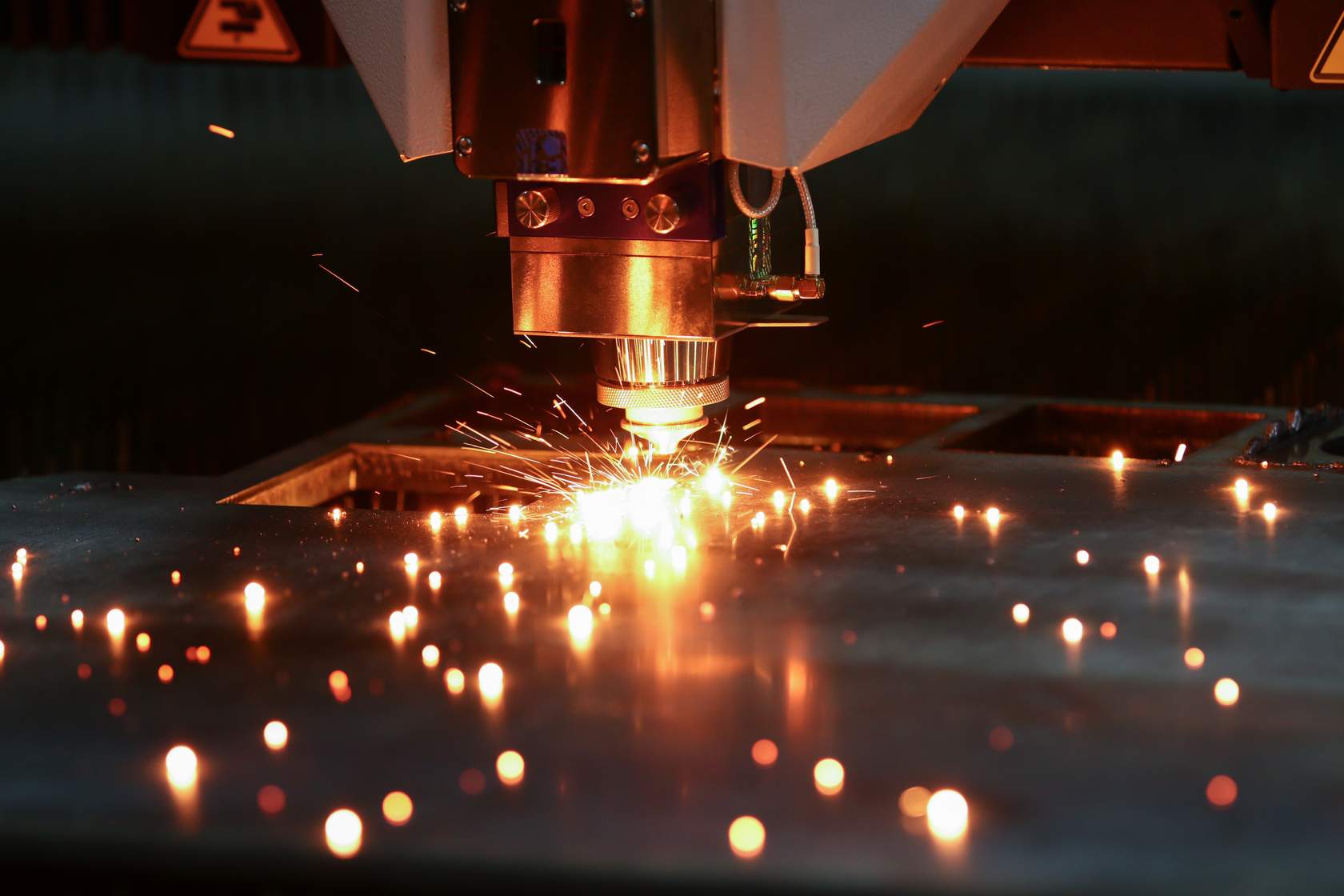
- Identify common eye and face hazards, including debris, hot metal and radiant heat, hazardous gases, corrosive materials, lasers, and welding hazards including slag
- Describe the injuries that unprotected exposure can cause, including blindness, disfigurement, illness, and death
- Match eye and face PPE, from protective glasses with side shields to chipping goggles and face shields, to the level of hazard present
- Describe the immediate response to an eye or face injury, including using an eyewash station and getting medical help
Talk to ARIA
Ask what you would ask us.
ARIA works the way a good first call works. She asks who is involved and what should change, recommends the closest starting point, quotes the real price, and hands you to a person when you want one.
Start with one of these
Prefer a person? Say so in the conversation and the team follows up, or use the contact page.