EH&S, 10 minutes, self-paced
Bloodborne Pathogens
Understand and prevent exposure to bloodborne pathogens
Part of the compliance library: free for every employee at any company size.
Who it is for
Employees with a reasonable chance of contact with blood or body fluids, including first-aid responders, custodial and cleaning staff, and anyone whose job may involve cleaning up after an injury. It supports the training component many employers are required to provide.
What you will learn
- Identify what counts as a bloodborne pathogen and how diseases like HIV and hepatitis B and C can be transmitted at work
- Apply universal precautions by treating all blood and potentially infectious body fluids as if they are contaminated
- Follow the correct steps after an exposure incident, including immediate washing, reporting, and medical follow-up
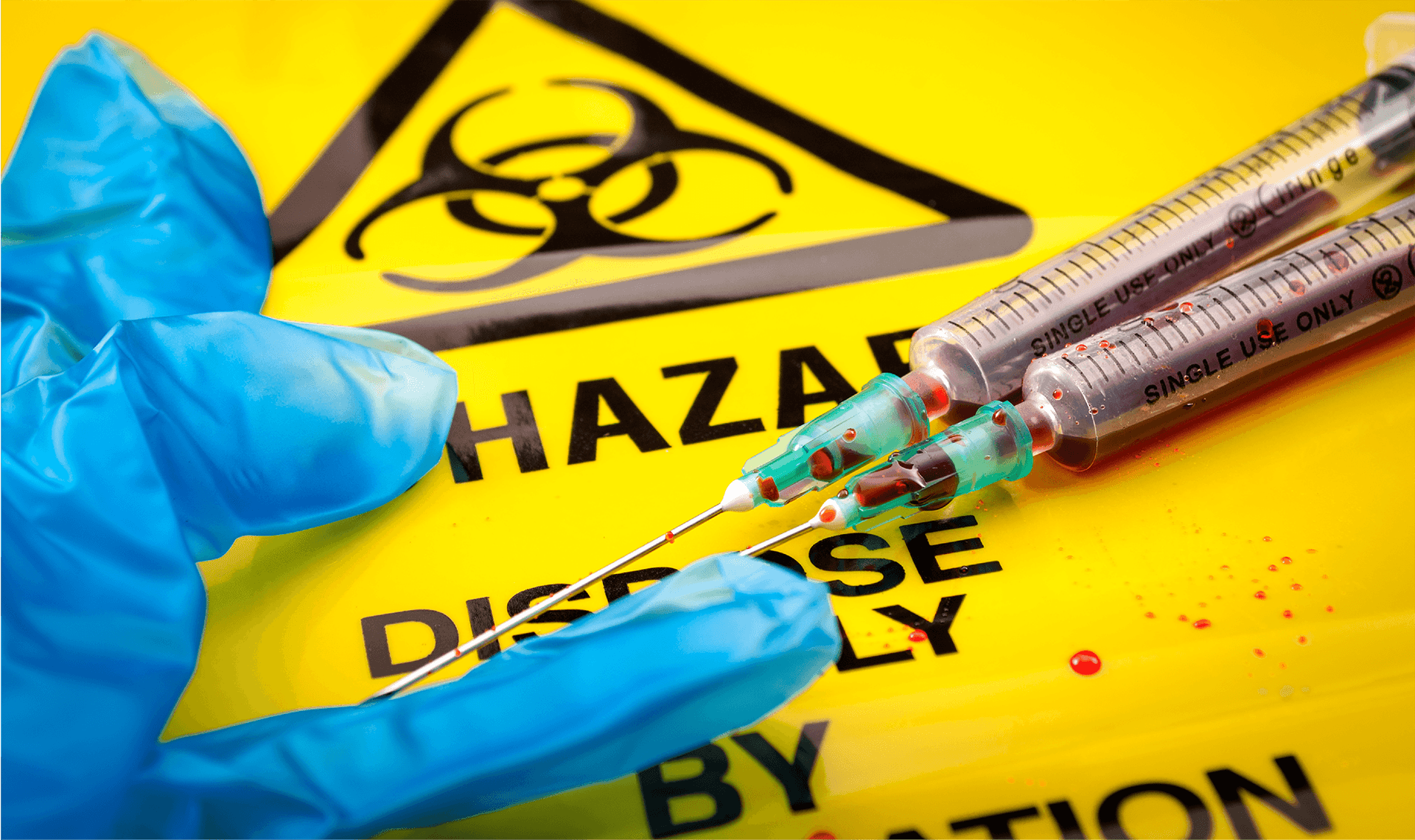
- Handle and dispose of contaminated materials and sharps using the right containers and procedures
What changes on the job
- Confident use of universal precautions instead of guessing when fluids are involved
- Correct, prompt handling of an exposure incident, including washing and reporting
- Proper segregation and disposal of sharps and contaminated waste
This course is one part of the mix. The same topic runs as a live workshop where a facilitator who has held the role watches you practice, and Coach Taylor follows up afterward.
Talk to ARIA
Ask what you would ask us.
ARIA works the way a good first call works. She asks who is involved and what should change, recommends the closest starting point, quotes the real price, and hands you to a person when you want one.
Start with one of these
Prefer a person? Say so in the conversation and the team follows up, or use the contact page.
Questions
Questions about this course.
Who actually needs to take bloodborne pathogens training?
Anyone whose job duties could reasonably put them in contact with blood or other potentially infectious materials. Designated first-aid providers and cleaning staff are common examples. If you are unsure, check with your safety coordinator.
How long does it take and is it self-paced?
It is roughly 15 minutes and self-paced. Many employers require this type of training at least annually, so it works well as a scheduled refresher.
Does this replace my employer's exposure control plan?
No. It builds general awareness of the hazard and precautions. Your specific reporting contacts, cleanup supplies, and post-exposure procedures come from your employer's own exposure control plan, which you should review alongside this course.